
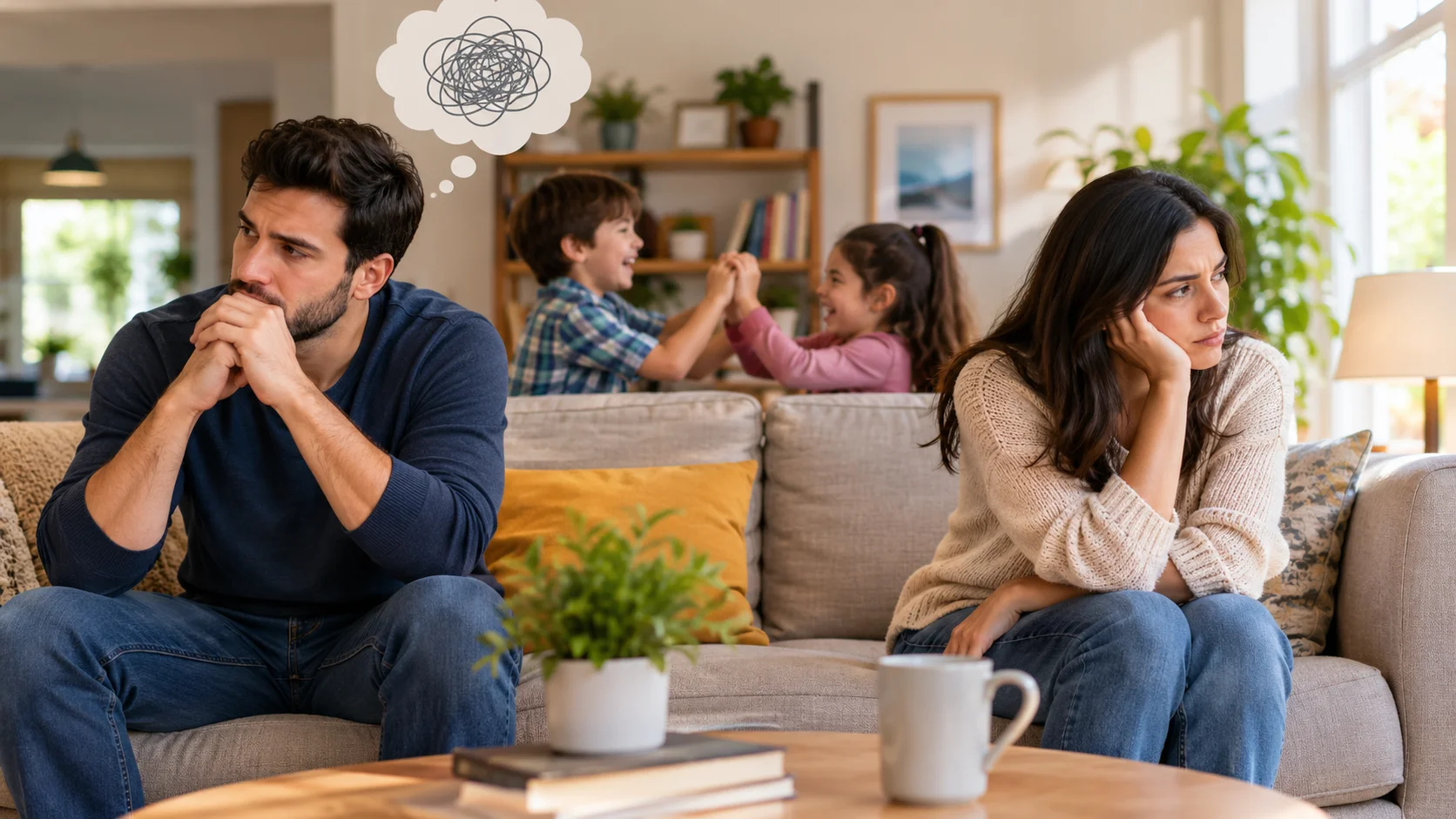
Attention-deficit/hyperactivity disorder (ADHD) can affect much more than focus, organization, or productivity. The effects can also extend to close relationships, influencing how partners communicate, divide responsibilities, manage emotions, and respond to everyday family demands. Understanding the connection between ADHD and relationships can help families replace frustration with greater awareness and practical support.
How ADHD affects Marriage?
ADHD and Parenting
ADHD parenting can bring its own set of challenges. Parenting requires planning, consistency, patience, and the ability to manage multiple responsibilities at once. Difficulties with executive functioning can make tasks such as maintaining schedules, remembering appointments, organizing school activities, or following consistent routines more difficult.
Parents with ADHD may also become overwhelmed by noise, competing demands, or unexpected changes. This does not mean they are less caring or committed parents. It simply means they may benefit from strategies that make daily responsibilities easier to manage.
Creating predictable routines, using reminders, dividing responsibilities clearly, and taking short breaks when overwhelmed can help.
ADHD Family Relationships and Everyday Dynamics
ADHD can influence the entire household. Siblings may misunderstand a parent’s reactions, partners may develop resentment over unfinished tasks, or family members may feel that they need to compensate for someone else’s difficulties.
These patterns can gradually shape family dynamics. Open conversations about ADHD can help family members understand that certain behaviors may be connected to symptoms rather than a lack of care or effort.
At the same time, understanding ADHD does not mean ignoring problems. Families can acknowledge genuine concerns while working together on realistic solutions.
Building Healthier Relationships with ADHD
Improving ADHD and relationships often starts with identifying recurring patterns rather than assigning blame. Clear communication, shared expectations, practical routines, and realistic responsibilities can make everyday interactions more manageable.
Professional support can also help individuals and families understand ADHD symptoms, develop emotional regulation skills, improve communication, and address ongoing relationship difficulties.
Final Thoughts
ADHD can create challenges in marriage, parenting, and family life, but these challenges do not have to define relationships. With greater understanding, effective communication, practical strategies, and appropriate professional support, families can build healthier patterns and stronger connections.
Effective Change LLC provides personalized mental health support to help individuals, couples, and families better understand relationship challenges and develop practical strategies for positive change. Visit https://www.effectivechangellc.com/ to take the first step toward healthier communication and stronger relationships.
Frequently Asked Questions
How does ADHD affect relationships?
ADHD can affect relationships through forgetfulness, impulsivity, communication difficulties, emotional regulation challenges, and problems with organisation and time management.
How can ADHD affect a marriage?
ADHD marriage challenges may include unequal household responsibilities, missed commitments, misunderstandings, emotional reactions, and recurring communication difficulties.
Can ADHD affect parenting?
ADHD parenting challenges can involve maintaining routines, managing schedules, staying organized, and responding consistently to children’s needs.
How does ADHD affect family relationships?
ADHD can influence family dynamics by creating misunderstandings, frustration, or conflict around responsibilities and communication. Understanding ADHD symptoms can help families develop healthier patterns.
Can therapy help with ADHD and relationships?
Professional support can help individuals and couples improve communication, manage emotional regulation, understand relationship challenges, and develop practical strategies for healthier family relationships.